CGEN Archive

Geoscape - Montreal

CGEN's Home Page
  • Home
  • CGEN Minutes
  • EarthLinks
  • EdGEO
    • Bringing Earth Science to Life
    • Putting the Earth into Science
  • FBY
    • FBY-Chapter Previews
    • FBY-Sample Lesson
    • QMA-Apercus des chapitres
  • Geoscape
    • Geoscape Canada >
      • Calgary
      • Fort Fraser
      • Montreal
      • Nanaimo
      • Northwest Territories
      • Ottawa-Gatineau
      • Québec
      • Saskatchewan-North
      • Saskatchewan-South
      • Toronto
      • Vancouver
      • Victoria
      • Whitehorse
    • Géopanorama du Canada
    • Geoscape Posters
    • Geotours
    • Waterscapes >
      • Bowen Island
      • Bow River Basin
      • Gulf Islands
      • Okanagan Basin
  • Geovistas
  • Key Publications
    • Wat On Earth
  • OGGP
  • Contact Us
Geoscape - Montreal
  • Home
  • A Geological Heritage 
  • Water in Montreal
  • Montreal and Its Islands
  • The Soils Yields Its Harvest
  • A Group of Remarkable Hills
  • Historical Links in Stone
  • Credits & Citation
  • Poster Downloads

Geoscape - Montreal

A Geological Heritage to Discover

Contents of this page:
  • The Canadian Shield near Montreal: the Grenville Province
  • The Lowlands: the St. Lawrence Platform
  • The Monteregian Hills: Igneous Intrusions
  • The Quaternary: A Period of Glaciation

The landscape that can be seen from the heights of Mount Royal reflects the geological history of the Montreal region. To the north, the plain is bounded by the Laurentian Mountains, a system that is more than one billion years old. The centre of the region is dotted by a number of distinctive features: the Monteregian Hills and the older Oka and Rigaud hills.

Today, the region is covered by a layer of unconsolidated materials consisting of clay, sand, and gravel that originated in the Quaternary, the current geological period. The major landforms of today were fashioned over several hundred million years by the breakup and collision of tectonic plates and by erosion.
Picture
larger image  [JPEG, 334.5 kb, 1142 X 860]

The Canadian Shield near Montreal: 
the Grenville Province

Picture
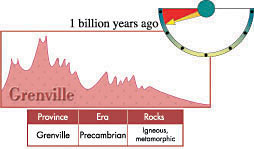
The Grenville Province is a subdivision of the Canadian Shield, and it is here that the oldest rocks in the region are found. These rocks represent the deep roots, uncovered by erosion, of a chain of mountains that formed between 1500 and 900 million years ago. At that time, Laurentia, the ancestor of the Canadian Shield, collided with other continents that were dragged by moving tectonic plates.

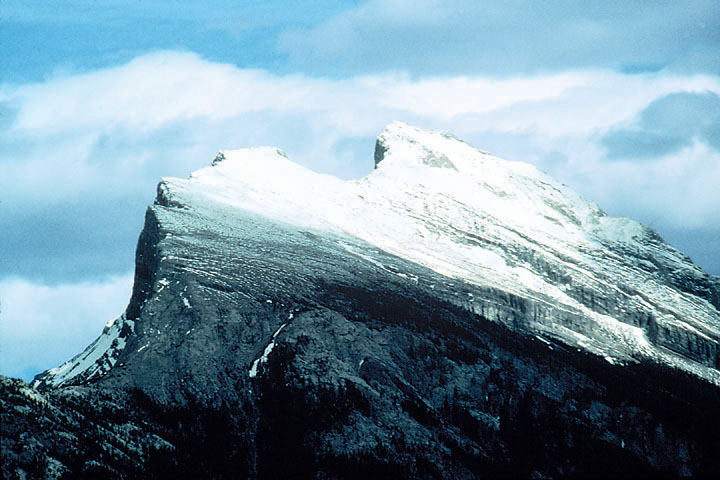
An imposing, Himalaya-type mountain range grew out of this collision. The rocks of the Laurentians contain deformation and metamorphic structures that tell the story of a long period of tectonic activity.
Picture
The Grenvillian mountain range resembled the highest mountains seen on Earth today. (Courtesy of Louis de Bellefeuille (UQAM))
larger image 
[JPEG, 122.1 kb, 720 X 480] 
Picture
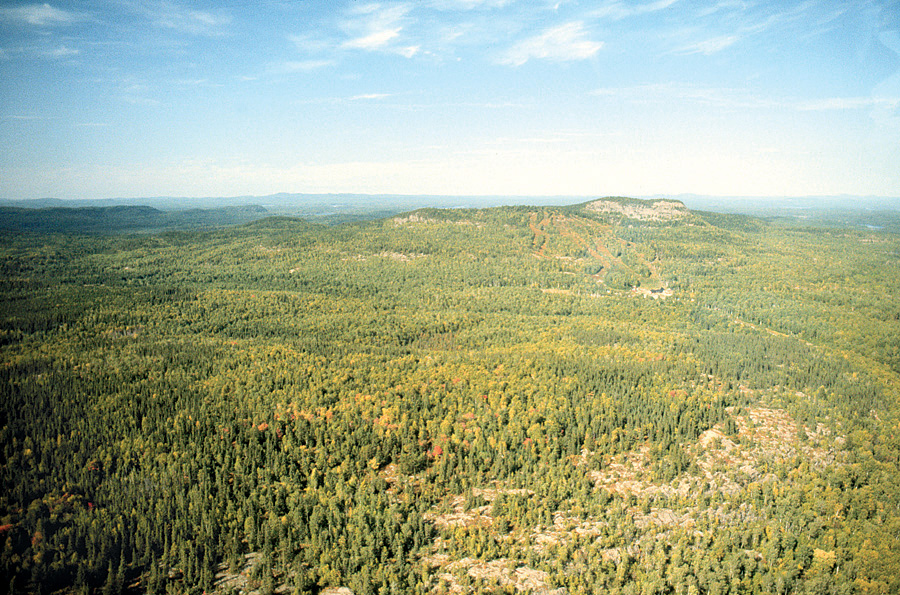
The Grenvillian mountain range, one billion years later: a rocky plateau, levelled by erosion. (Courtesy of Pierre Bédard (UQAM))
larger image
[JPEG, 451.3 kb, 900 X 595, notice]

The Lowlands: the St. Lawrence Platform

Picture
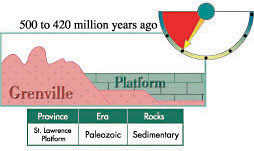
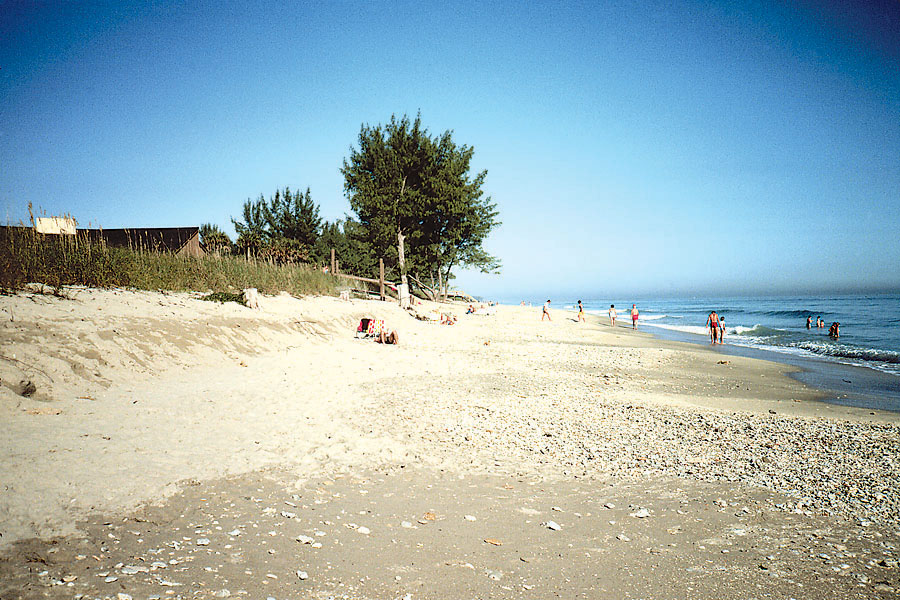
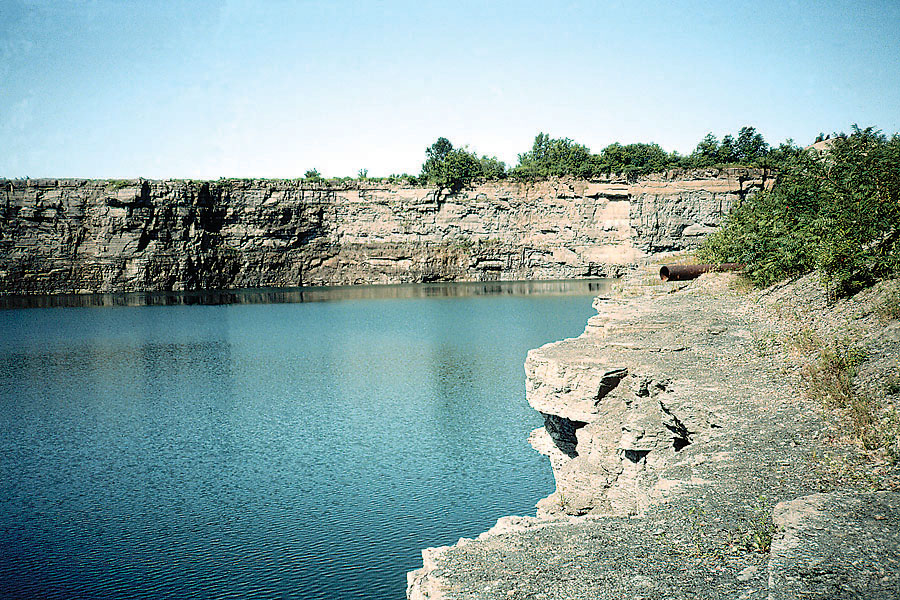
Near the end of the Precambrian, about 600 million years ago, a huge continent began to break up. During the Paleozoic, a rift formed in the Grenvillian mountain range and gradually widened into an ocean. From 600 to approximately 420 million years ago, the Earth's crust gradually subsided and marine sediments accumulated on the continental shelf that formed a platform along the margins of the land. The ocean, known as Iapetus, received enormous quantities of fossiliferous mud and sand, that would gradually be transformed into the rocks that are now so useful to our economy. At the time, the Montreal region was located near the equator, and the landscape probably resembled that of the present-day Atlantic coast. Over the course of millions of years, Africa and North America would move toward each other, eventually forming a single continent.This new continental collision resulted in the formation of the Appalachians. The St. Lawrence Lowlands also emerged from the ocean and, once again, erosion began to eat away at the newly formed land.
Picture
Present-day tropical shore. At the time of Iapetus, vegetation did not exist. (Courtesy of Gilbert Prichonnet (UQAM))
larger image
[JPEG, 234.5 kb, 900 X 600] 
Picture
Limestone beds of the St. Lawrence Platform, Cape Saint-Martin, Jésus Island. (Courtesy of Gilbert Prichonnet (UQAM))
larger image
[JPEG, 342.0 kb, 900 X 600]

The Monteregian Hills: Igneous Intrusions

Picture
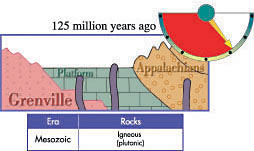
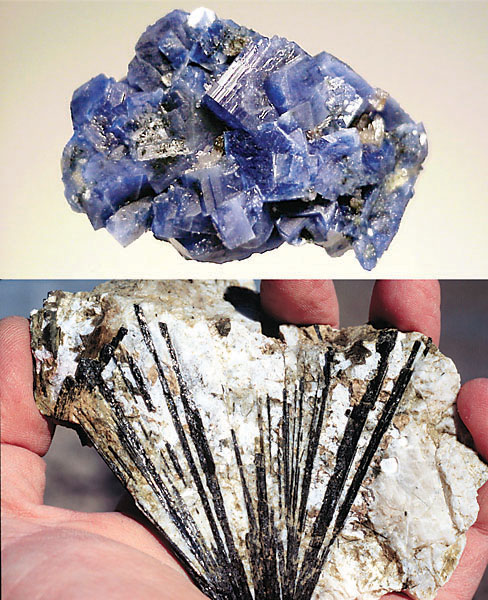
About 125 million years ago, magma rose through the Earth's crust in the Montreal region, crystallizing slowly at depth along many conduits. In this way, the Monteregian Hills were formed and with them, a number of rare minerals. 

Of all these features, Mount Saint-Hilaire is the best known as a source of rare specimens. In some cases, magma erupted at the surface, feeding volcanoes that have now completely disappeared. Since that time, erosion has removed several kilometres of rock. 

The hills that are visible today represent the magma chambers and part of the conduits through which the molten rock rose toward the surface.
Picture
Shimmery blue crystals (carletonite) and radiating black crystals (aegirine) : treasures to the collector. (Courtesy of Pierre Bédard (UQAM) et László Horváth)
larger image
[JPEG, 157.8 kb, 488 X 600]
Picture
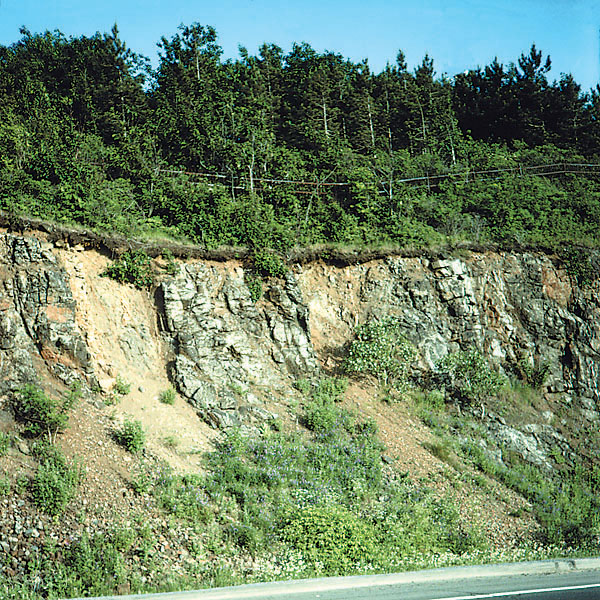
On Mount Royal, forest soil is produced by recent weathering of intrusive rocks truncated by glaciers. (Courtesy of Gilbert Prichonnet (UQAM))
larger image
[JPEG, 295.6 kb, 600 X 600]

The Quaternary: a Period of Glaciation

Picture
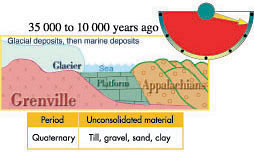
Between 1 600 000 and 10 000 years ago, the Earth experienced several successive glaciations, each resulting in the buildup of impressive ice caps (continental glaciers) covering almost all of the northern part of the continent. 

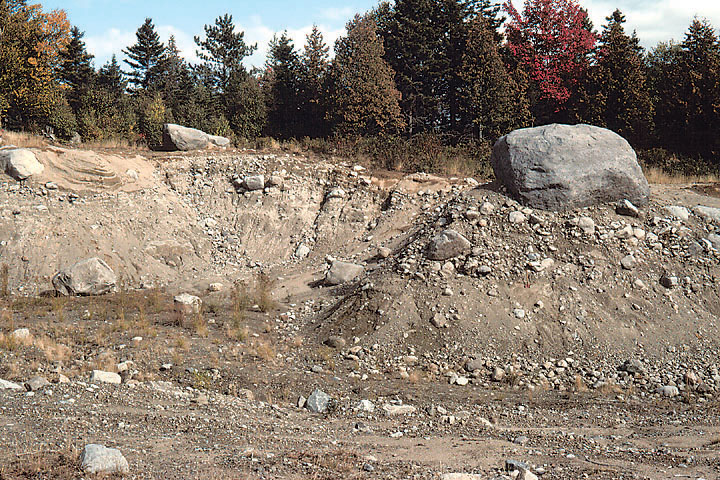
Slowly and gradually, these glaciers wore away and levelled the Grenvillian and Appalachian relief. The most recent of these glaciations ended about 10 000 years ago, leaving behind a till sheet comprising blocks, pebbles, sand, and mud. About 12 000 years ago, the pace of deglaciation increased. The St. Lawrence River valley, still depressed because of the weight of the ice sheet, was invaded by the waters of the Atlantic, and the Champlain Sea was born. 

The richest farmlands in the St. Lawrence River valley are a legacy of the fine sediment left behind by this postglacial sea. By about 9500 years ago, this sea was succeeded by a lake, which gradually shrank to form channels now occupied by large peat bogs. Lake Saint-François and Lake Saint-Pierre are remnants of this episode.
Picture
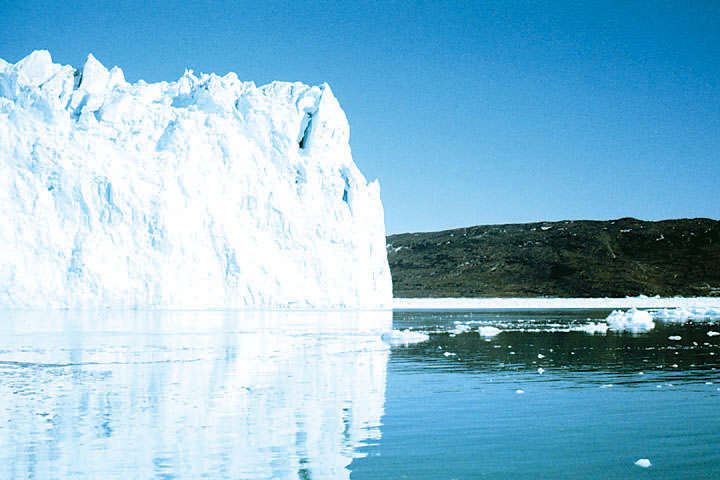
A glacier meets the sea in Kalaallit Nunaat (Greenland). One can almost picture the Laurentide Ice Sheet extending into the Champlain Sea. (Courtesy of Pierre Bédard (UQAM))
larger image
[JPEG, 108.7 kb, 720 X 480] 
Picture
A mantle of coarse glacial debris covers the bedrock underlying the wooded plateaus. (Courtesy of Gilbert Prichonnet (UQAM))
larger image
[JPEG, 262.8 kb, 720 X 480]
Géopanorama du Canada
Geoscapes:
  • Canada
  • Calgary
  • Fort Fraser
  • Montreal
  • Nanaimo
  • Northwest Territories
  • Ottawa-Gatineau
  • Québec
  • Saskatchewan - North
  • Saskatchewan - South
  • Toronto
  • Vancouver
  • Victoria
  • Whitehorse

Copyright CGEN 2014-2021
​ Quick Links to Earth Sciences Canada sites
​Earthlinks | WHERE Challenge | Careers in Earth Science |  Four Billion Years and Counting | IYPE | CFES | CGEN | IUGS | GeoVistas | OGGP